Evidence-based · Peptides

Tesamorelin: The One Peptide With Real FDA Approval
Approved in 2010 for HIV-associated lipodystrophy, tesamorelin is the rare research peptide with genuine phase 3 backing.
Part ofThe Research-Peptide Directory→In a field crowded with peptides sold on extrapolation and hope, tesamorelin stands out for a simple reason: it is an FDA-approved drug with real phase 3 evidence behind it. Understanding what it was actually approved for — and what it was not — is the key to reading it honestly.
What tesamorelin actually does
Tesamorelin is a stabilized 44-amino-acid analog of growth-hormone-releasing hormone (GHRH). Rather than supplying growth hormone directly, it prompts the pituitary to release the body’s own, which in turn raises insulin-like growth factor-1 (IGF-1). Per the NIH’s LiverTox resource, it was approved in the United States in 2010 under the brand name Egrifta, to reduce excess abdominal fat in HIV-infected patients with antiretroviral-therapy–related lipodystrophy — a specific condition where fat accumulates abnormally around the organs.
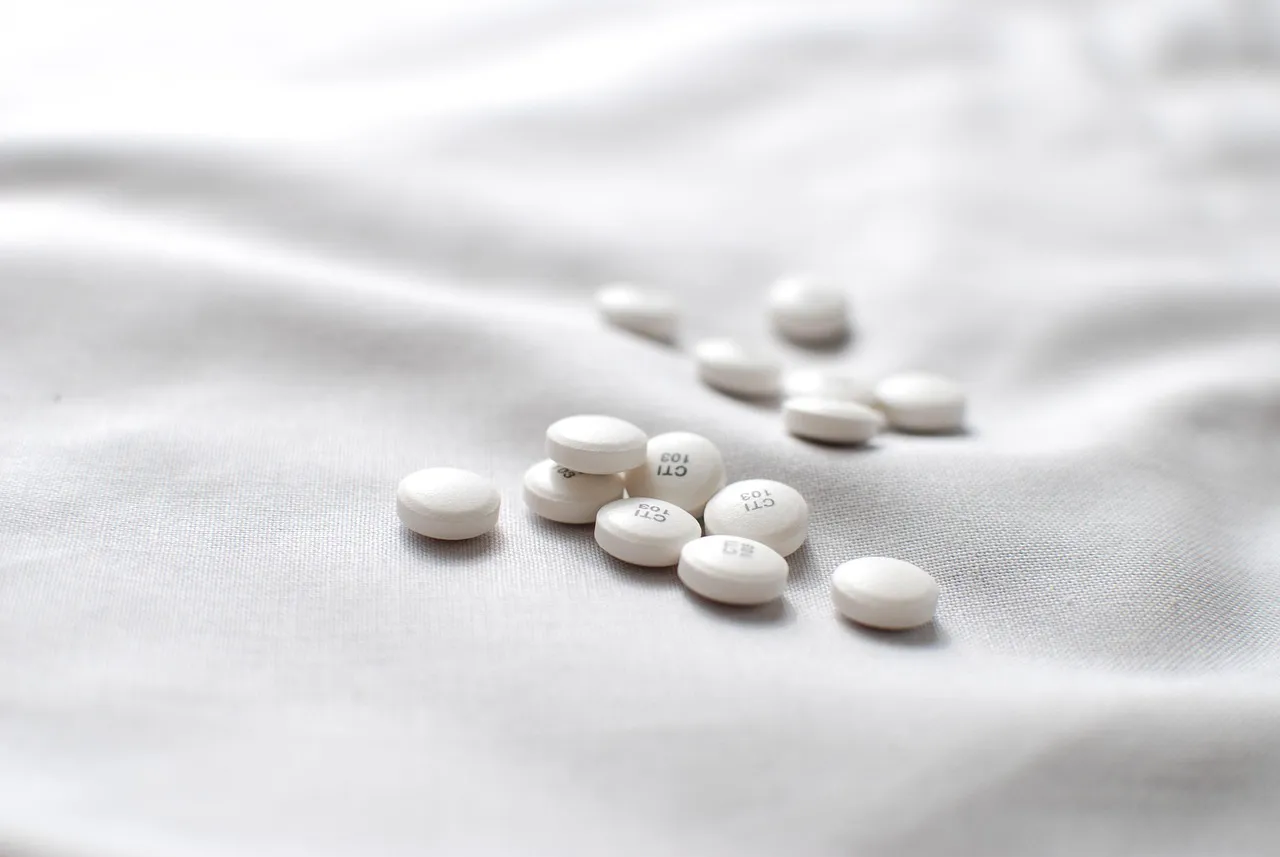
That approval rested on real data. A pooled analysis of two multicenter, double-blind, placebo-controlled phase 3 trials (Falutz et al., The Journal of Clinical Endocrinology & Metabolism, 2010) combined roughly 806 ART-treated adults. Tesamorelin 2 mg daily reduced visceral adipose tissue by about 15% versus placebo over 26 weeks, while sparing subcutaneous fat.
The honest limit: approval was for a defined medical condition. Tesamorelin’s safety and benefit are best established there — not in healthy people using it for body composition or anti-aging.
What is well supported versus speculative

- Well supported: reduction of visceral fat in HIV-associated lipodystrophy (the approved indication), demonstrated in pooled phase 3 trials.
- Plausible but less established: effects on visceral or hepatic fat in other contexts, where data is more limited.
- Speculative: general anti-aging, athletic, or cognitive benefits, which drive off-label interest but lack strong evidence.
Why the distinction matters

Because tesamorelin raises GH and IGF-1, it is easy to imagine broad benefits and project them onto general use. But raising those hormones is not automatically beneficial: tesamorelin has significant effects on glucose and lipid metabolism, and IGF-1 monitoring is recommended during therapy. The trials that earned approval studied a particular population with a particular problem, and that is where the risk-benefit balance is actually known.
The takeaway
Tesamorelin is the rare peptide with genuine FDA approval and solid phase 3 evidence — for reducing visceral fat in HIV-associated lipodystrophy. That makes it more credible than almost anything in its category, but the credibility is specific to its approved use. For everything else people hope it does, the evidence thins out quickly. The honest position: real proof in one narrow setting, and open questions everywhere else.
Sources
References
Compounds in this article
Stay current
Get evidence-based briefings in your inbox.